What Is Rhinoplasty?
Rhinoplasty is performed to refine the nose’s shape, size, and structure. The procedure can:
- Smooth or reduce a hump
- Adjust the bridge height
- Refine or lift the nasal tip
- Narrow or reshape the nostrils
- Improve symmetry
- Correct functional issues such as a deviated septum
Each procedure is customized based on facial proportions and the patient’s aesthetic goals.
How Much Does Rhinoplasty Cost?
Rhinoplasty is a fully customised procedure, so the cost can vary depending on your goals and the surgical approach required. Instead of a fixed fee, pricing is determined after a detailed consultation, where your surgeon evaluates the structure of your nose, any functional concerns, and the degree of reshaping you’re looking for. Because every nose is unique, each treatment plan is tailored accordingly—reflecting the complexity and precision involved.
At Kamol Cosmetic Hospital, several factors can influence the overall cost of rhinoplasty, including:
- Procedure complexity– Minor refinements differ from more advanced structural corrections or combined functional work.
- Surgical technique– Open or closed rhinoplasty, use of cartilage grafts, implants, or specialised structural support.
- Surgeon expertise– Rhinoplasty requires exceptional precision, and results depend heavily on the surgeon’s skill and experience.
- Hospital, operating theatre, and anesthesia fees– These support a safe, accredited surgical environment.
- Post-operative care – Follow-up visits, recovery support, and any required medications or dressings.
Because rhinoplasty is so personalised, the most accurate way to understand how much your rhinoplasty will cost is through a consultation. Your surgeon will assess your facial proportions, review your goals, and provide a clear, customised cost breakdown based on your recommended treatment plan.
Rhinoplasty Techniques
Kamol Cosmetic Hospital offers a full range of rhinoplasty approaches. Your surgeon will recommend the most suitable technique depending on your goals.
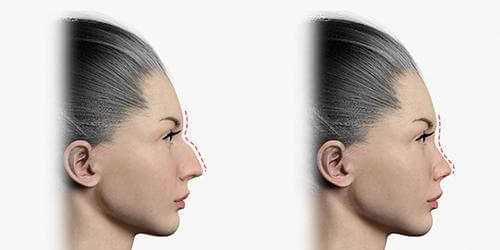
Bridge Reduction
Reduces excessive bridge height for a smoother, more proportional profile.
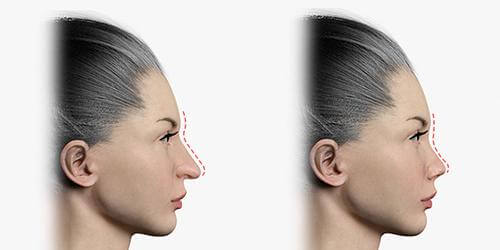
Hump Reduction
Removes a prominent hump to create a straighter nasal bridge.
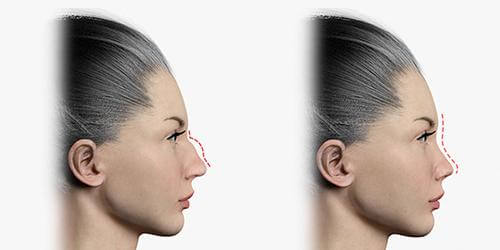
Reduces an elongated or drooping nasal tip.
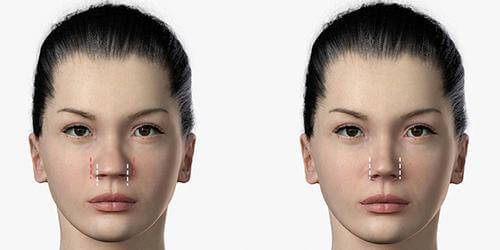
Tip Refinement
Improves a bulbous, wide, or flat tip for a more defined look.
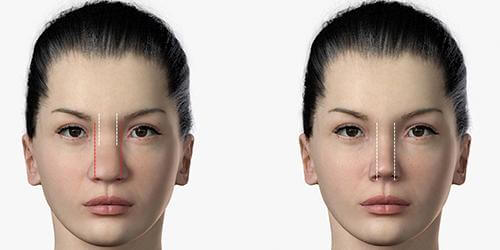
Narrows the nasal bones and improves symmetry after hump reduction.
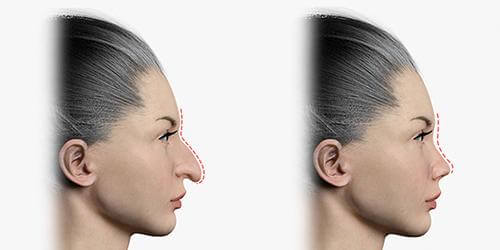
Lifts and rotates the nasal tip for a more balanced facial angle.
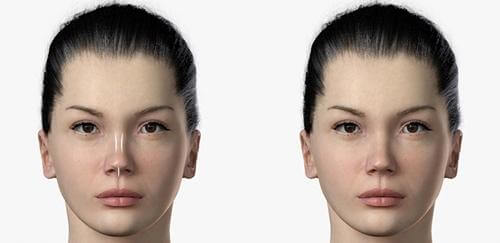
Uses the patient’s own cartilage to support internal nasal structures and improve breathing.
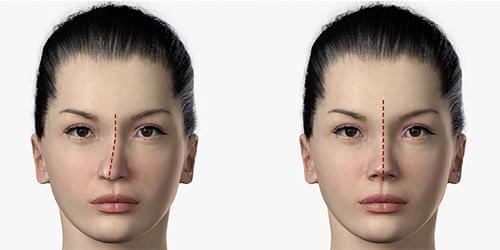
Straightens a deviated septum to enhance airflow.
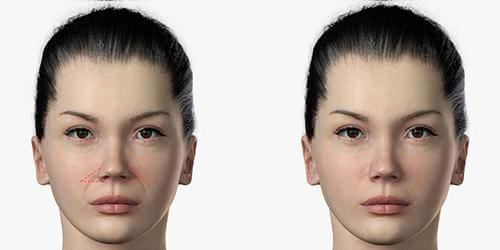
Perinasal Augmentation
Supports the area around the nostrils and upper lip for improved contour.
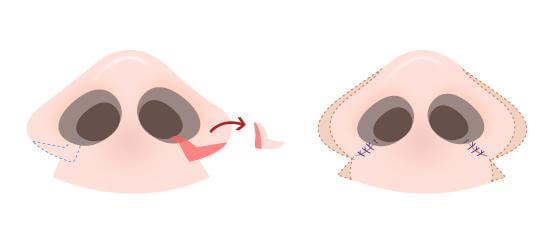
Narrows wide nostrils for better facial balance.
Rhinoplasty Recovery Time
Most patients can expect:
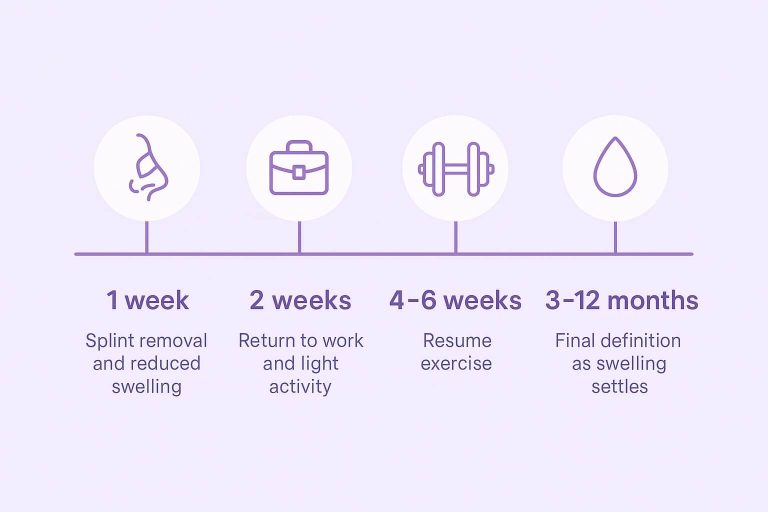
Bruising and swelling are normal in the early stages, and results refine gradually.
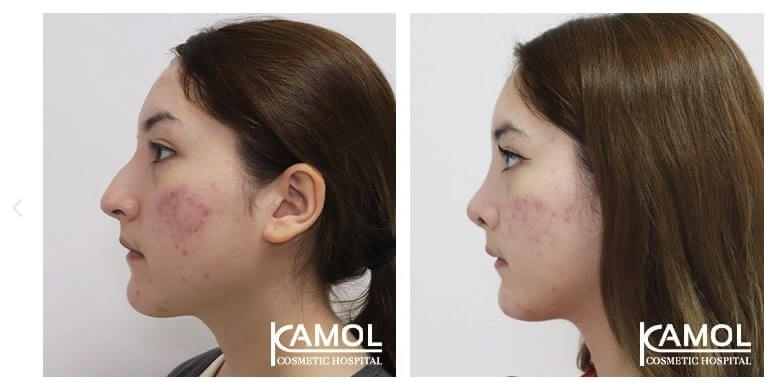
Rhinoplasty Results
Rhinoplasty can create a more balanced and harmonious facial appearance by reshaping the nose to better suit each patient’s features. At Kamol Cosmetic Hospital, results are designed to look natural, enhance symmetry, and maintain proper nasal function.
Rhinoplasty FAQs
When can I work out after rhinoplasty?
Most patients can resume light exercise after 3–4 weeks. More strenuous activities, heavy lifting, and contact sports should be avoided for 6 weeks or until your surgeon confirms it is safe.
How should I sleep after rhinoplasty?
Sleep on your back with your head elevated for the first 1–2 weeks to reduce swelling and protect your nose. Avoid sleeping on your side or stomach until cleared by your surgeon.
Is rhinoplasty painful?
Most patients report mild to moderate discomfort, usually described as pressure or congestion rather than sharp pain. Prescription medications help manage discomfort during the first few days.
Is rhinoplasty safe?
Yes. Rhinoplasty is generally safe when performed by an experienced surgeon. Complications are uncommon and typically minor, though all surgeries carry some level of risk.
When can I fly after rhinoplasty?
You can usually fly 1–2 weeks after surgery, once major swelling has reduced and your splint has been removed. For long-haul flights, your surgeon may recommend waiting slightly longer.
Does insurance cover rhinoplasty?
Insurance typically does not cover cosmetic rhinoplasty. If the procedure corrects functional issues—such as breathing difficulty or a deviated septum—some coverage may be possible depending on your policy.
What happens 10 years after rhinoplasty?
Rhinoplasty results are long-lasting. While natural aging may change facial features over time, the improved nasal shape generally remains stable. A well-performed rhinoplasty continues to age naturally with your face.